Key Points and Summary – Tanks aren’t obsolete—the battlefield is. Using five criteria (firepower, protection, sensors, mobility, and combat performance), this ranking argues the M1A2 SEPv3 Abrams remains the benchmark thanks to upgraded lethality, modern thermals, and Trophy APS.
-Germany’s Leopard 2A7V follows closely with modular armor, new electronics, and Trophy integration.
-South Korea’s K2 Black Panther stands out for advanced fire control and river-crossing capability, while Israel’s Merkava Mk.4 prioritizes crew survivability and has proven Trophy defenses.
-Russia’s T-14 Armata rounds out the list—ambitious on paper, but constrained by cost, complexity, and limited use. Bottom line: in a drone-and-ATGM era, protection and situational awareness decide who survives long enough to strike.
Top 5 Tanks for 2026: Abrams, Leopard, K2, Merkava, Armata
The main battle tank is the backbone of modern land-based warfare, integrating firepower, mobility, and protection to command the battlefield.
Tanks remain relevant and are still considered a necessity for modern ground warfare, despite vulnerabilities to modern anti-tank weapons and drones, especially in Ukraine.
Their crucial role is to seize and hold terrain, provide essential armored protection for infantry, and deliver immense firepower from a mobile platform.
Merkava Tank. Image Credit: Creative Commons.
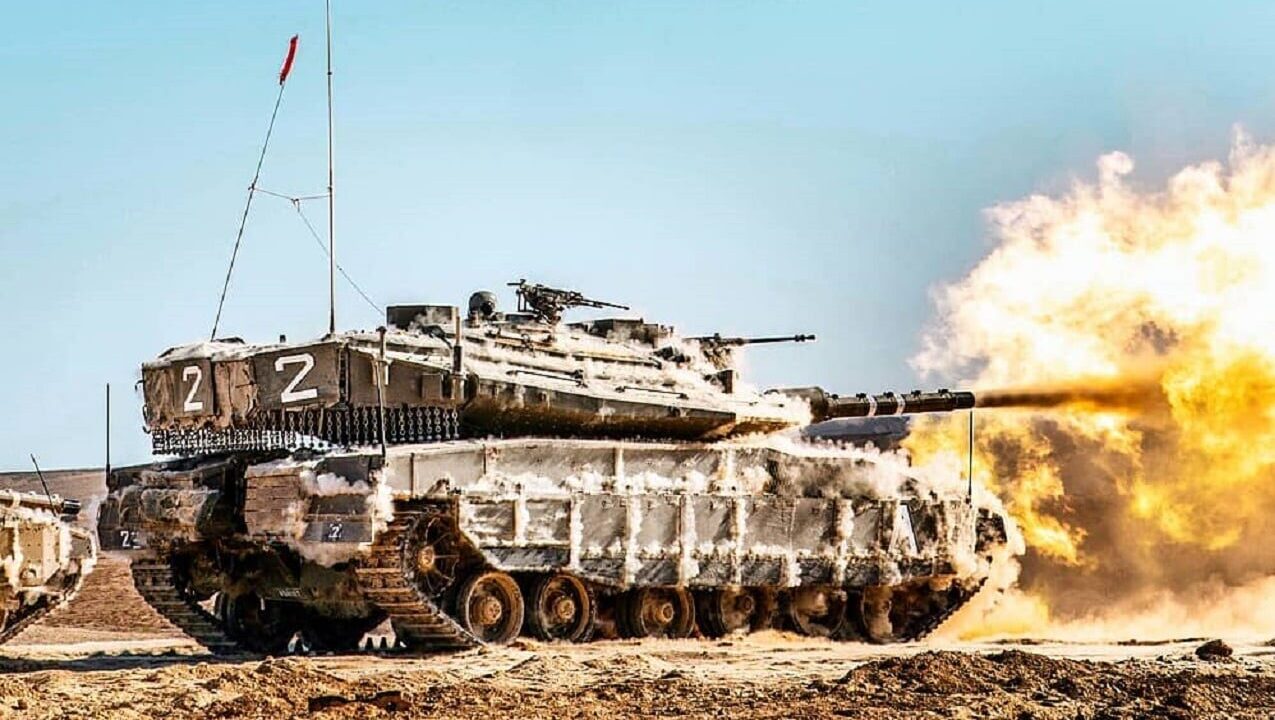
Israeli Merkava Tank. Image Credit: Creative Commons.
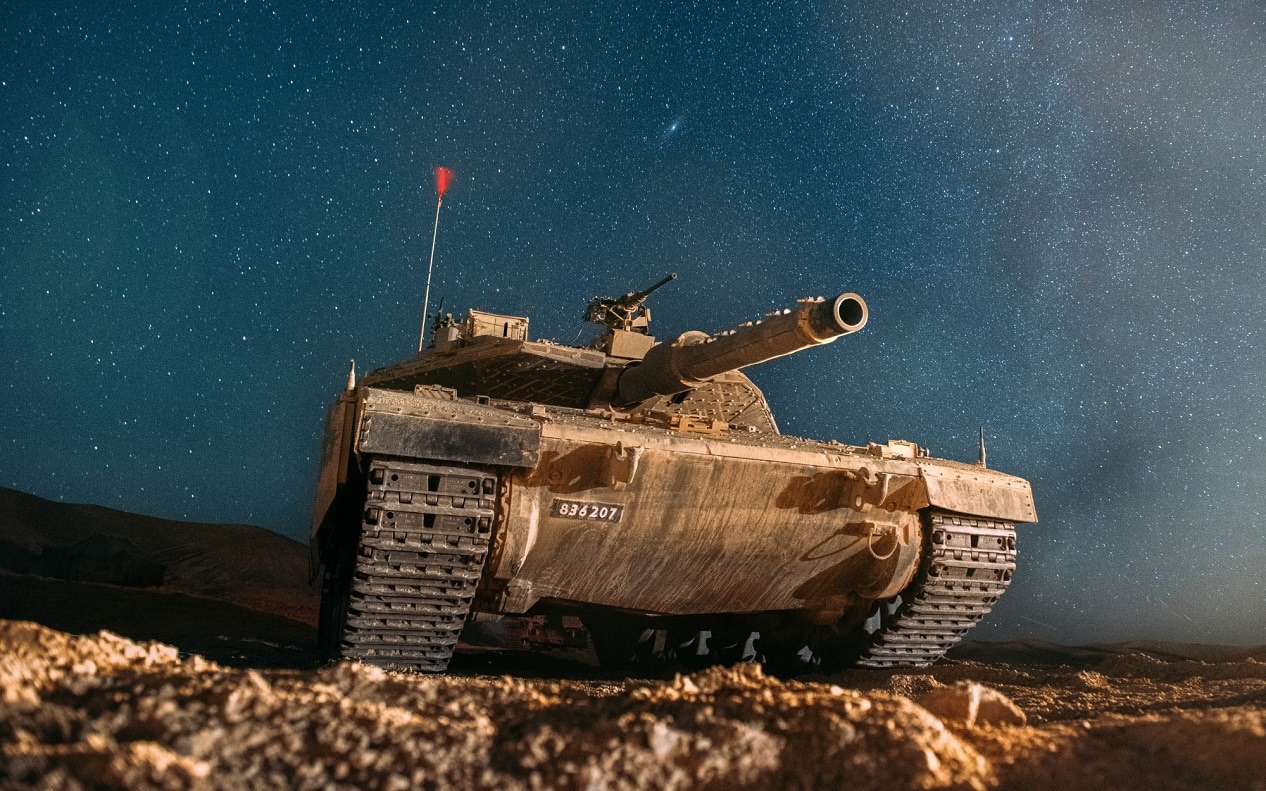
Merkava Tank
While tanks must adapt to new battlefield challenges through advanced armor, sensors, and integrated tactics with other units, their fundamental ability to dominate the ground and support combined arms operations ensures their continued importance.
The contemporary Main Battle Tanks (MBTs) are equipped with better composite armor, armed with formidable threats, and fitted with advanced technologies, thus becoming more lethal than ever.
What Are The Factors in Determining Which Tanks Are The Best?
When discussing tanks and armored warfare, there are specific criteria that all main battle tanks must meet.
Those are firepower, armor protection, sensors and technology, mobility, and combat performance.
Here are my top five tanks in the world for 2026.
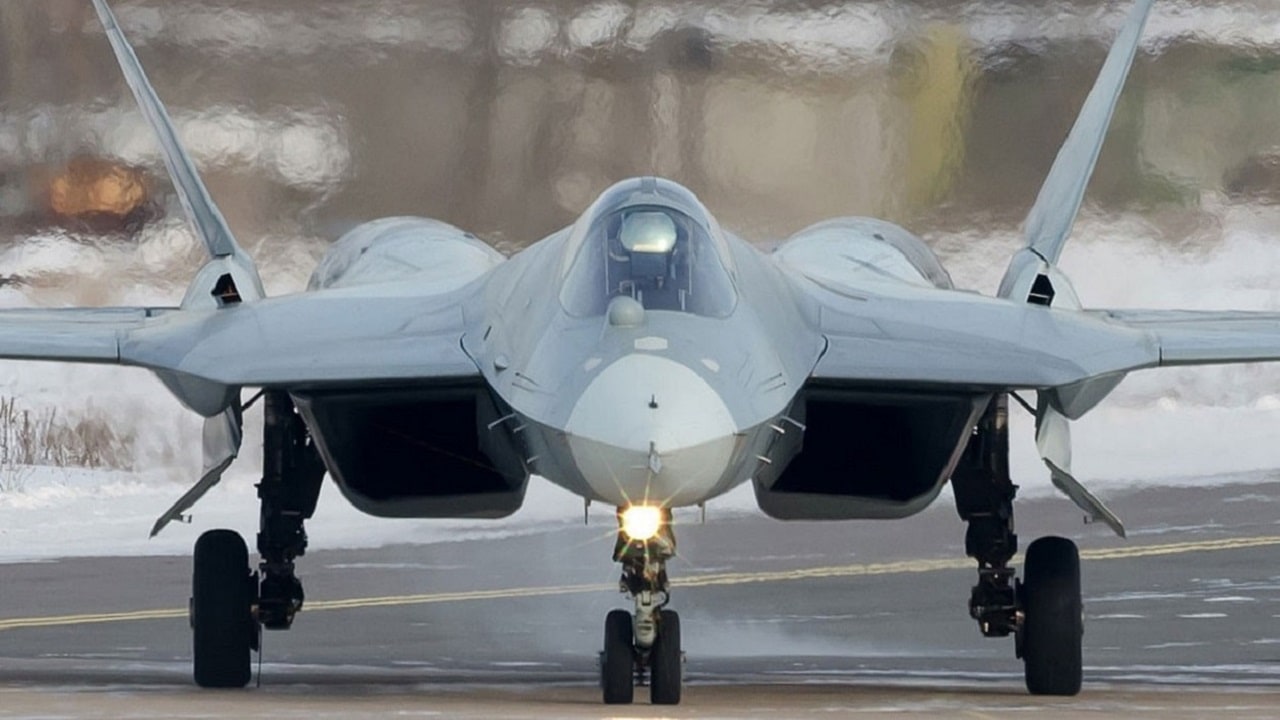
#5 The T-14 Armata, Russia’s Newest Tank
When the Russians unveiled the T-14 Armata tank at Moscow’s 2015 Victory Day Parade, the T-14 was touted as the most advanced main battle tank in the world, boasting a suite of technological innovations that, on paper, placed it a generation ahead of Western counterparts.
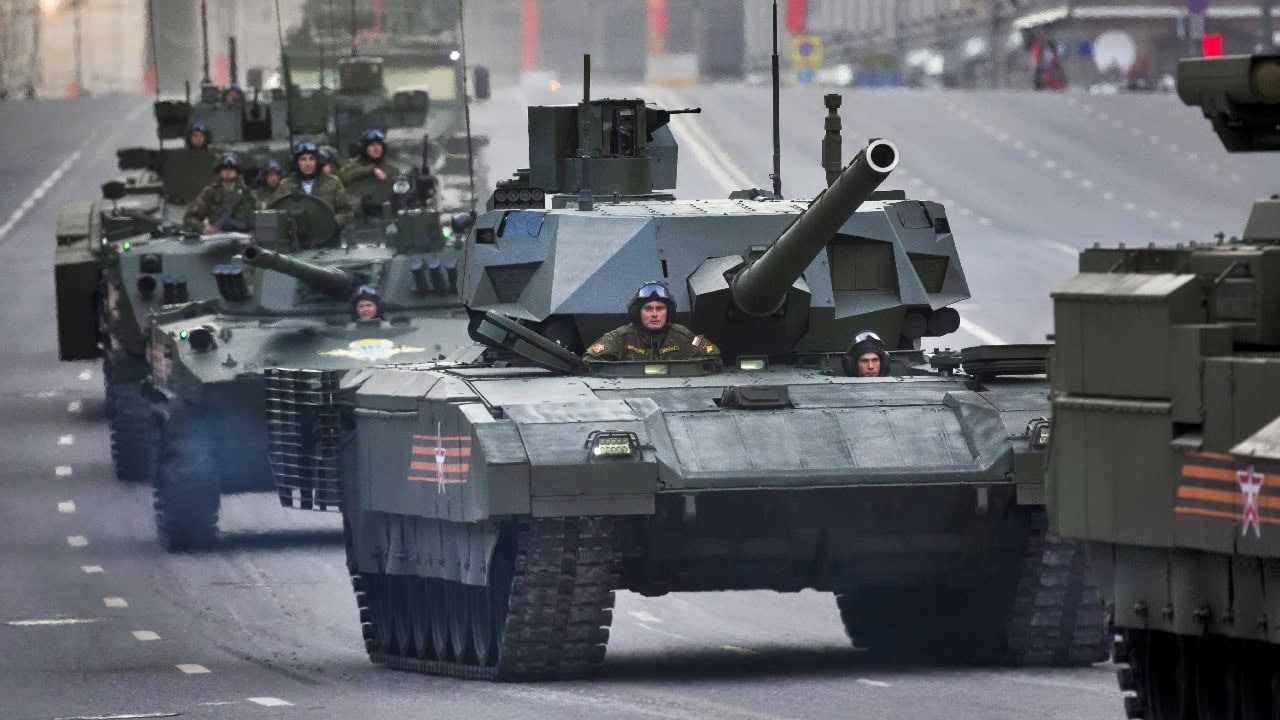
T-14 Armata Tank from Russia. Image Credit: Creative Commons.
The T-14 has an uncrewed turret, the first tank to ever do so, reducing the crew to three. Its 125mm main gun is also smoothbore, is electronically controlled from a protected crew compartment located in the center of the tank, and is capable of firing both conventional ammunition and anti-tank guided missiles.
The autoloaders have proved to be a significant issue with Russian tanks. When the turret is penetrated by enemy fire, the 125mm rounds usually explode, launching the turret skyward and dooming the crew.
Boasting active protection systems and cutting-edge sensors, the West was supposed to play catch-up. The reality was quite different from the typical Russian hype.
In a departure from the historical tradition of Russian tanks being pragmatically designed and easily mass-producible, the T-14 Armata is technologically ambitious and, theoretically, very impressive.
The Armata, by contrast, emphasizes Western-style crew protection and advanced sensor integration, featuring an unmanned turret, an active protection system (APS) to intercept incoming projectiles, and a suite of digital battlefield networking capabilities.
A February 2015 Rossiyskaya Gazeta article by Sergey Ptichkin states that: “The forward (protected crew shell) has multilayered, combined armor protection that can withstand a direct hit from any type of round that exists today.”
Additional protection comes in the form of an Afghanit Active Protection System (APS), which is designed to track incoming projectiles and use charges to detonate them before they hit the tank’s armor.
Despite all the hype, the tank’s baptism of fire in Syria didn’t go well. The T-14 has been used sparingly in Ukraine for propaganda purposes. In a war where the Russians are pulling out ancient T-62s and T-54s out of mothballs to use on the front line, this doesn’t bode well for the T-14’s combat prowess.
#4 The Mark 4 Merkava, Israel’s Juggernaut
The Merkava is an outstanding tank, explicitly designed for Israel’s defense needs by prioritizing crew survivability and rapid repair.
Its unique front-mounted engine provides a powerful shield for the crew, while features such as a rear exit for crew escape and a modular design that enables easy repair enhance its effectiveness.
Its combat effectiveness and advanced defensive systems make it a formidable main battle tank ideally suited for the Israeli Defense Forces (IDF).
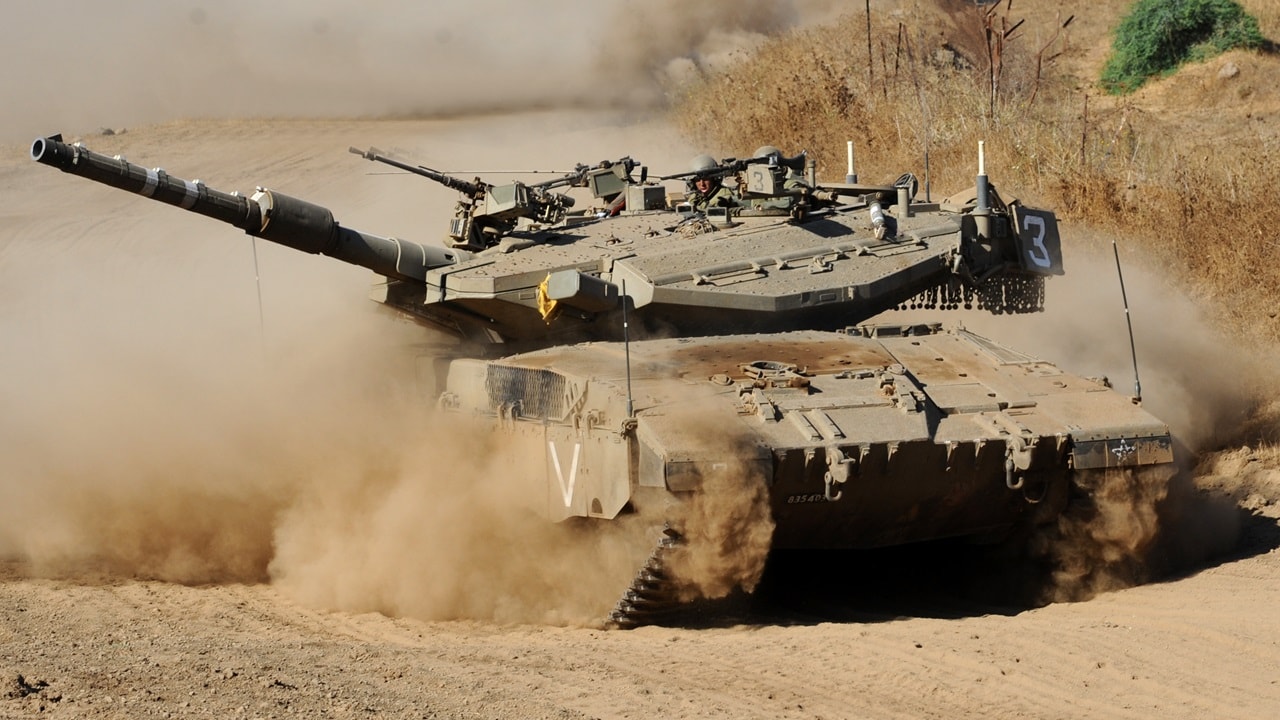
Merkava Tank from Israel
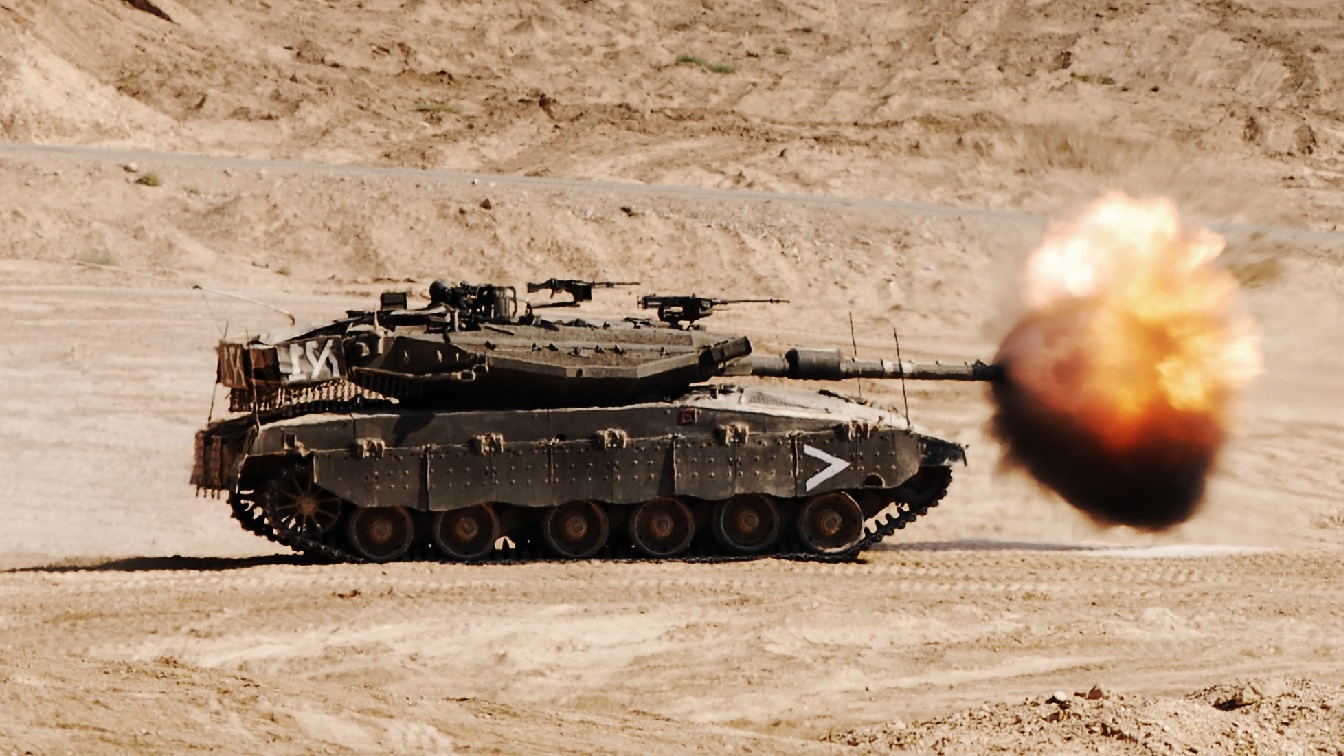
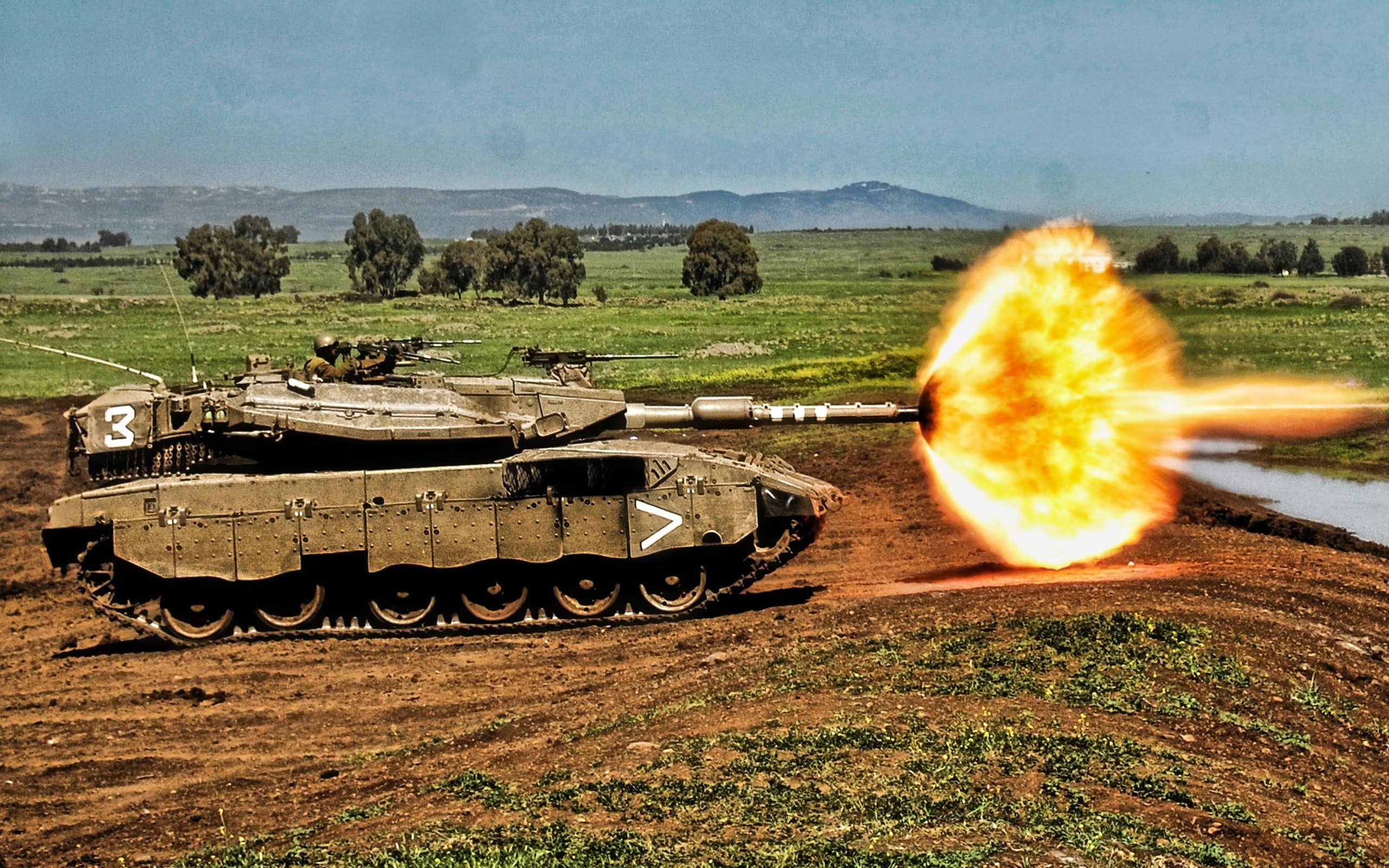
Merkava Tank Firing. Image Credit: Creative Commons.
The Mark 4 is equipped with an IMI 120 mm smoothbore gun, capable of firing almost all versions of Western 120 mm smoothbore tank ammunition, as well as the LAHAT anti-tank guided missile.
The Merkava has two roof-mounted 7.62 mm machine guns, one for the commander and one for the loader, as well as a third mounted coaxially with the main gun. A 60 mm mortar is also fitted for firing smoke rounds or suppressing dug-in infantry anti-tank teams.
All Merkava tanks are fitted with a remote-controlled M2 Browning .50 caliber heavy machine gun, aligned with the main gun and controlled from within the turret.
The clamshell doors at the rear of the tank open to a small infantry squad, which is invaluable in asymmetric warfare, as in Gaza and Lebanon.
The Trophy System has proven its worth in Gaza and Lebanon, where Merkava tanks took several hits but suffered few losses.
#3 The South Korean K2 Black Panther Tank
The South Korean K2 Black Panther main battle tank (MBT) is one of the most advanced armored vehicles in the world, rivaling Western counterparts like the M1 Abrams, Leopard 2, and Challenger 2. Some experts have even called this tank the best in the world.
Poland recently received deliveries of 110 tanks in March of this year. As Poland plans to expand its military, the K2 is envisioned as the new backbone of the Polish tank forces.
The K2 Black Panther was launched in the early 2010s by Hyundai Rotem to integrate a fourth-generation main battle tank into the South Korean Army.
The K2 has a 120-millimeter smoothbore cannon, a 12.7-millimeter (.50 caliber) heavy machine gun, and a 7.62-millimeter NATO-standard secondary machine gun.
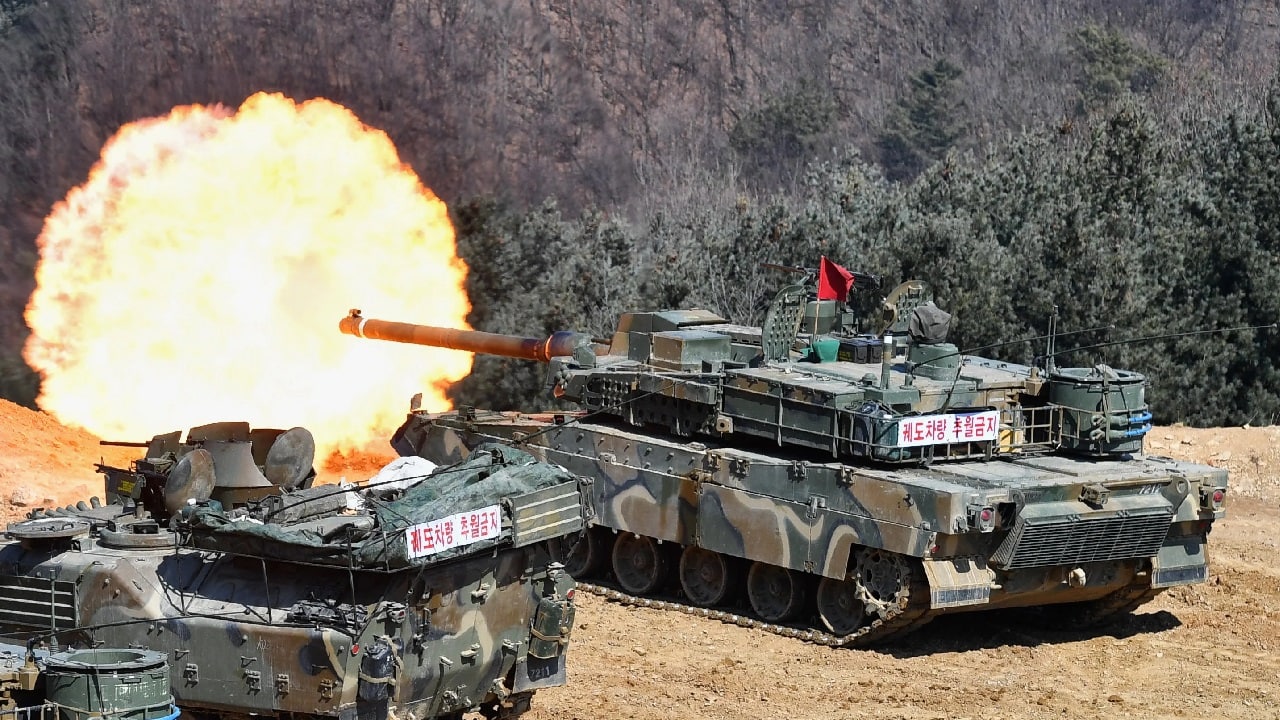
K2 Black Panther. Image Credit: Creative Commons.
The main 120mm gun reportedly fires 10-15 rounds per minute and can be used with a wide range of munitions, including all standard NATO tank rounds. As detailed by Military Watch Magazine, this system can instantaneously detect, select, and load the necessary type and amount of ammunition.
The platform’s sensors are also extremely powerful, with its fire control system linked to a high-frequency radar deployed on the frontal arc of its turret, which complements its crosswind sensors and laser rangefinders.
The K2 also integrates a thermographic camera with a ‘lock on’ mode, allowing it to track specific targets at ranges of 9.8km.
Sensors are also capable of augmenting the tank’s survivability, with a millimeter-wave radar system that can operate as a Missile Approach Warning System, complementing the K2 computer’s ability to triangulate incoming projectiles and fire visual and infrared screening smoke grenades. These serve to block the tank’s visual and infrared signatures.
The tanks’ armor consists of steel and silicon carbide ceramic plates. It measures 36 feet in length, weighs 55 tons (121,254 pounds), and is operated by a three-person crew: a commander, a gunner, and a driver.
The K2 is powered by a 1,500-horsepower engine and a six-speed transmission, capable of reaching a speed of 43 miles per hour and a range of 280 miles. While it is one of the most advanced main battle tanks (MBTs) in the world, it is also the most expensive, costing around $8.5 million per unit.
The Korean K2 Black Panther is equipped with an elaborate “snorkel” system that allows it to cross rivers up to 4.1 meters deep. This seems to be an amphibious quality, given that the US Army’s M1 Abrams reportedly can travel only about 2 meters of water.
The K2 snorkel system is quite elaborate, as it utilizes a “conning tower” to extend above the tank out of the water and funnel air down into a sealed, air- and water-tight crew compartment that operates via an air circulation system.
According to data from the K2’s manufacturer, Hyundai Rotem, the tank’s snorkel system can be prepared in 20 to 30 minutes and is fully combat-ready upon exiting the water.
#2 The German Leopard
The Leopard 2A7V is Germany’s most advanced version of the Leopard 2 main battle tank, featuring enhanced protection through a new modular armor package, improved lethality with a more powerful L/55A1 cannon and advanced ammunition, and better situational awareness with new sensors and electronics.
This version entered service with the German Bundeswehr in September 2021, weighing around 66.5 tons and utilizing an MTU 1500 HP engine for improved mobility, including an adaptive transmission.
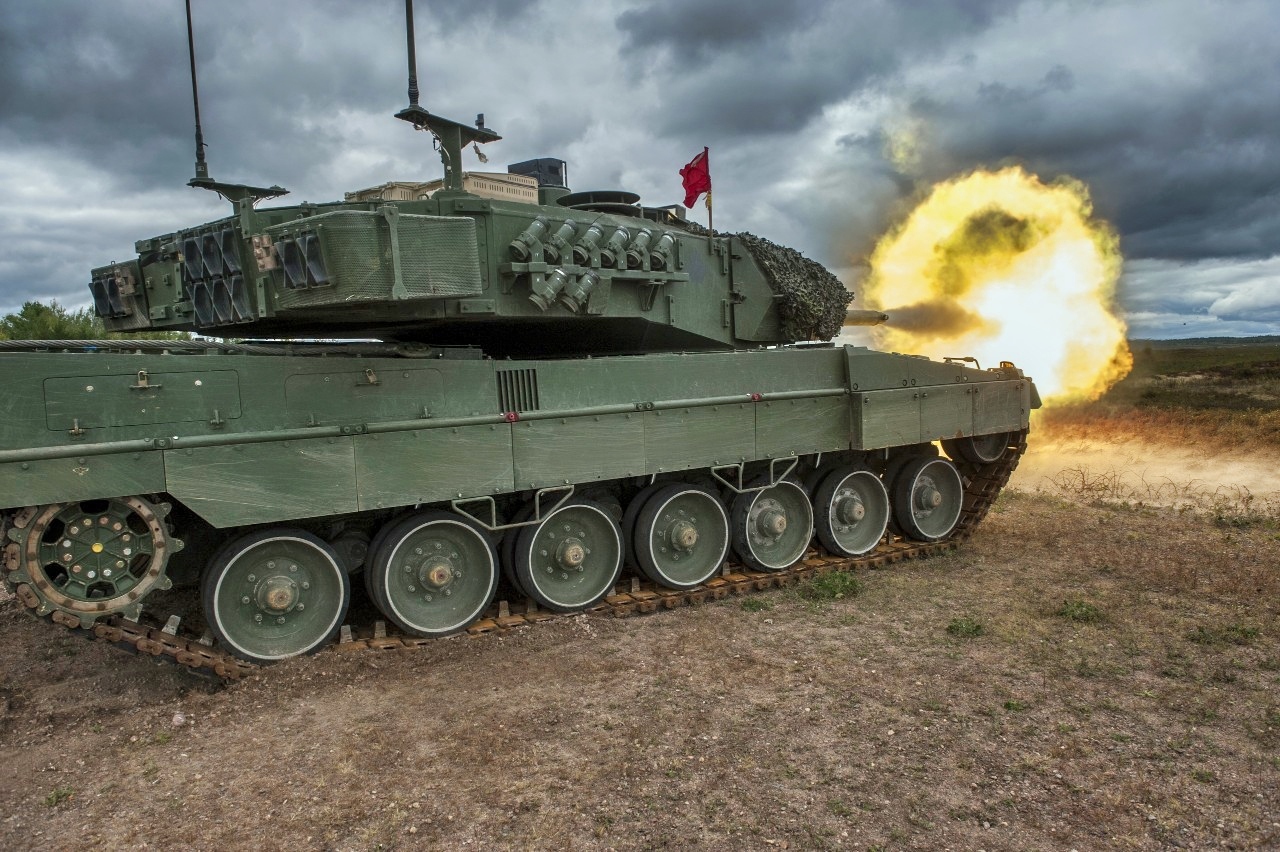
Leopard 2 Tank. Image Credit: Creative Commons.
The frontal protection has been improved with a dual kit on the turret and hull front. In contrast, the 360° protection against RPGs and the lower hull have been reinforced for mine protection, increasing the tank’s survivability in urban operations.
Canada first used the modular armor system components in Afghanistan. It can fire programmable High Explosive munitions. The turret-mounted MG3 has been replaced with a stabilized FLW 200 remotely controlled weapon station.
The improved Leopard has cameras for situational awareness, an enhanced gun barrel for increased service life and foreseeable ammunition improvements, third-generation FLIR for TC and GNR, BMS (battlefield management system), belly and lower glacis armor, and perhaps APS (active protection systems). The external armor package is more conventional than the 7+.
On February 22, 2021, Germany signed a contract with Israel to purchase the Trophy active protection system (APS) for its Leopard 2A7V Main Battle Tanks (MBTs). The Israeli Trophy APS is now in service with three countries, including Israel on the Merkava 4, the United States on the M1A2 SEPV V3, and the Leopard.
The difference between this tank and #1 was very slight, and many armor analysts and enthusiasts believe this version of the Leopard is the best tank in the world. It may just be.
#1 The US M1A2 SEP 3 Abrams
The US and our allies know that tanks aren’t obsolete; only the current ones are. Meanwhile, the US has taken the best tank in the world and made it even better. But too many experts have examined Ukraine, misinterpreted the results, and reached the wrong conclusions.
General Dynamics Land Systems (GDLS) has significantly upgraded the M1A2 Abrams, an outstanding tank. The SEP stands for the System Enhancement Program. The newest iteration of the Abrams is already a popular model with our allies, as both Australia and Poland have ordered more tanks to beef up their armored forces. Ukraine is clamoring for more tanks.
The M1A2 SEPv3 has adapted to consider the threat of Anti-tank missiles and drones. The SEPv3 has better explosive reactive armor, and the Israeli-built Trophy Active Protection System protects NATO tanks in a 360-degree perimeter against anti-tank missile threats.
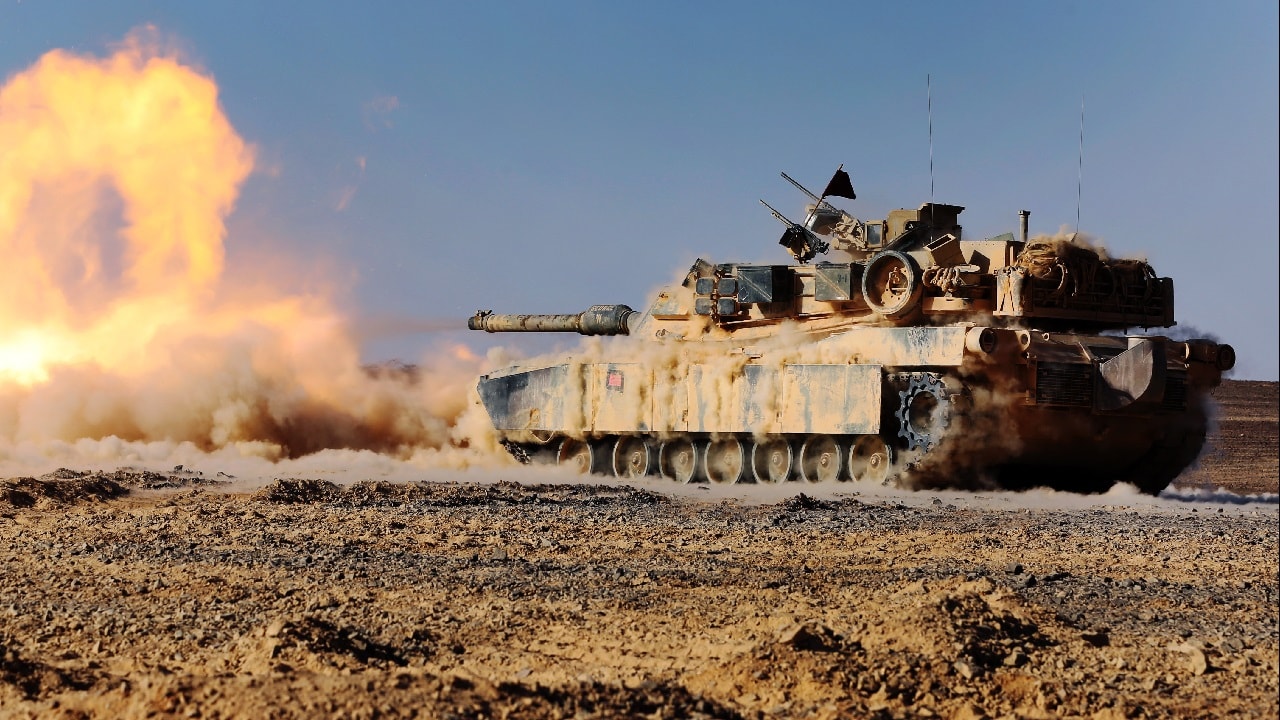
(U.S. Marine Corps photo by Sgt. Devin Nichols/Released)
The SEPv3 defends itself against drone attacks through a combination of its existing armor, newly added anti-drone screens, and improved electronic warfare capabilities to jam drone signals, thereby lessening the threat from small, fast-moving drones, particularly when facing drone swarms.
The improved third-generation Forward Looking Infrared targeting system allows the crew to fire from stand-off distances where the enemy can’t see it.
Better Lethality/Firepower
The SEPv3’s main gun is the M256 120mm smoothbore cannon. It can fire M829A4 advanced kinetic-energy and advanced multi-purpose rounds via an ammunition data link. This round is an Armor-Piercing, Fin Stabilized, Discarding Sabot – Tracer (APFSDS-T) cartridge consisting of a depleted uranium long-rod penetrator with a three-petal composite sabot.
These rounds will defeat third-generation explosive reactive armor (ERA) at extended ranges. ERA is designed for maximum penetration against heavily armored targets and has an effective range of 4,000 meters.
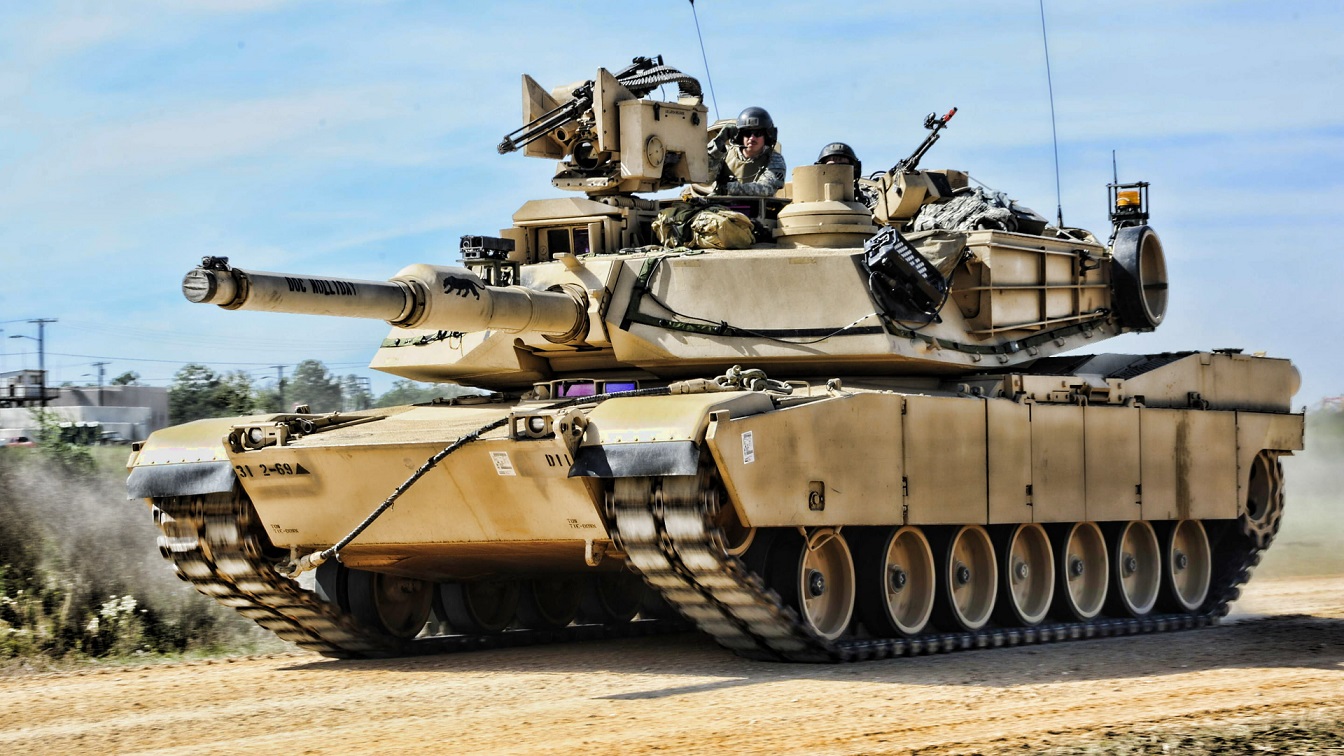
M1 Abrams Tank. Image Credit: U.S. Army.
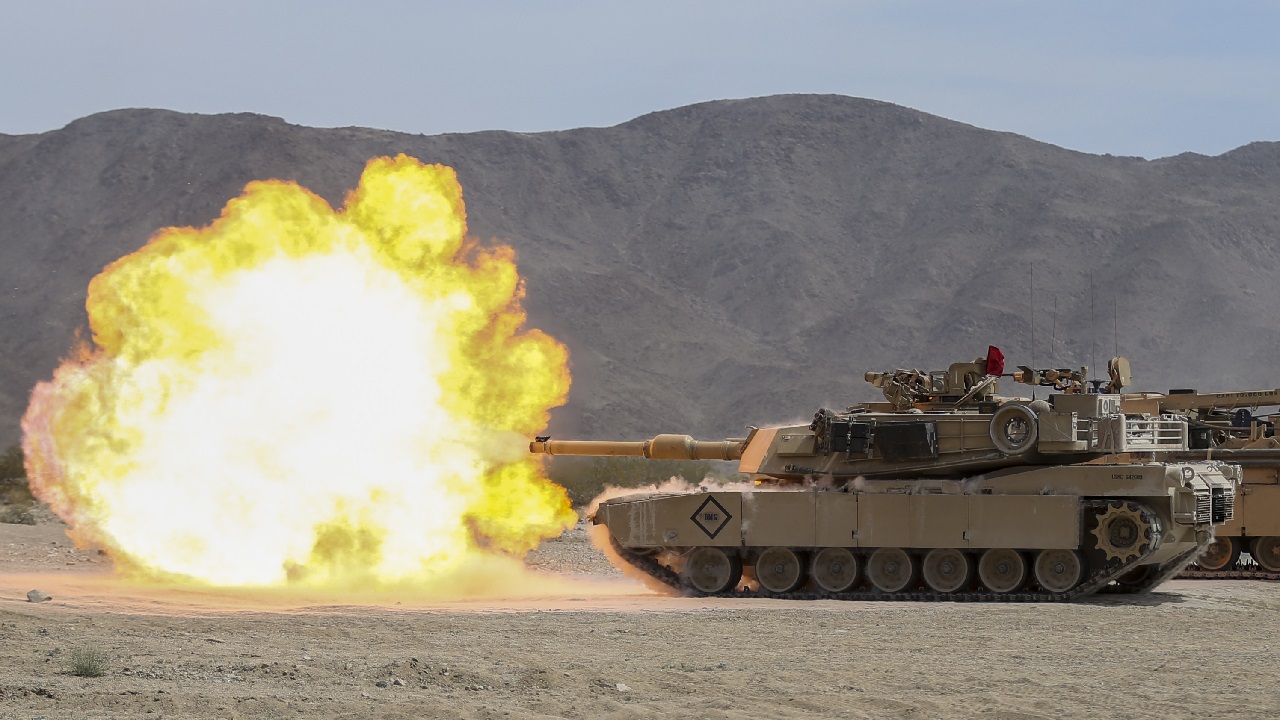
An M1A1 Abrams Tank fires off a round as a demonstration during 1st Tank Battalion’s Jane Wayne Spouse Appreciation Day aboard the Marine Corps Air Ground Combat Center, Twentynine Palms, Calif., April 3, 2018. The purpose of the event is to build resiliency in spiritual well being, the will to fight and a strong home life for the 1st Tanks Marines and their families. (U.S. Marine Corps photo by Lance Cpl. Rachel K. Porter)
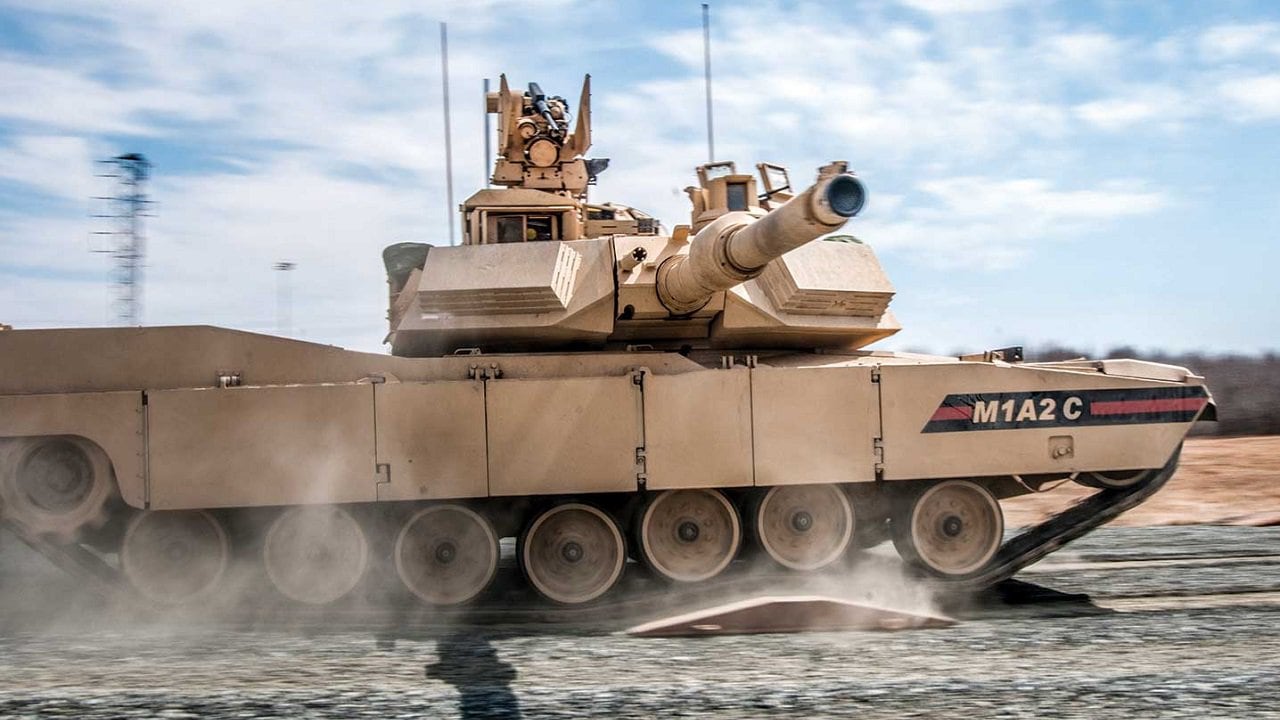
The Abrams Main Battle Tank closes with and destroys the enemy using mobility, firepower, and shock effect.
The crew compartment remains the same, with the driver in the middle of the hull and the commander, loader, and gunner in the well-armored turret. In addition to the main gun, the SEPv3 will have a .50-caliber M2 machine gun and a 7.62mm M240B coaxial machine gun.
Engine and Power Generation
The M1A2 SEPv3 is powered by a Honeywell AGT1500 gas turbine engine, which produces 1,500hp.
The auxiliary power unit, located under the armor, enables the tank to operate its onboard systems with a reduced probability of detection during silent watch operations.
The generator enables the turret to operate without power from the main engine when the vehicle is stationary, improving fuel efficiency and stealth.
The US Army has made superb improvements with the M1A2 SEPv3. This may allow the Abrams to remain in inventory until 2040, giving it a 60-year lifespan. The best tank in the world is now even better.
Honorable Mentions
The following tanks are all outstanding and could have easily been included on this list. The Japanese Type 90, the Turkish Altay, the British Challenger III, the Chinese Type 99A, and the French Leclerc XLR.
About the Author: Steve Balestrieri
Steve Balestrieri is a National Security Columnist. He served as a US Army Special Forces NCO and Warrant Officer. In addition to writing on defense, he covers the NFL for PatsFans.com and is a member of the Pro Football Writers of America (PFWA). His work was regularly featured in many military publications.